
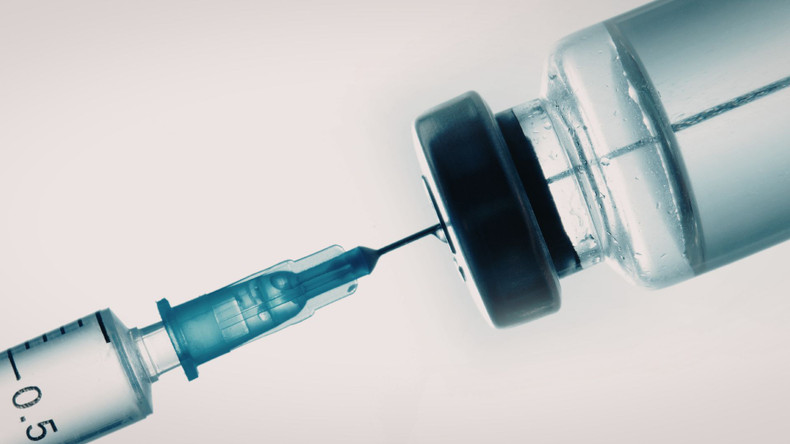
A hypodermic needle for medical injections is chosen by matching three things to the task: gauge (diameter) to the medication's thickness, length to the injection route and the patient's body, and bevel to comfort. Get those three right and the injection is accurate and comfortable; get them wrong and you risk pain, poor absorption, or a dose delivered to the wrong tissue layer.
Medical hypodermic needles are used across three main injection routes — intramuscular, subcutaneous, and intradermal — and each route has its own gauge and length requirements. A needle perfect for an intramuscular antibiotic is wrong for an intradermal allergy test, and vice versa.
This guide is built for anyone selecting hypodermic needles for a clinic, facility, or practice: it explains how gauge and length work, which needle suits each injection route, and how to build a sensible needle inventory. It is educational and not a substitute for clinical training or manufacturer guidance.
Key Takeaways
- Three variables define a medical needle: gauge (diameter), length, and bevel — matched to medication, route, and patient.
- Gauge runs backwards: higher number, thinner needle. Thin fluids use fine needles; thick fluids need a wider bore.
- Intramuscular (IM): typically 22-25 gauge, 1 to 1.5 inches, inserted at 90 degrees into muscle.
- Subcutaneous (SubQ): typically 25-27 gauge, short (about 3/8 to 5/8 inch), into the fatty layer.
- Intradermal (ID): very fine (26-27 gauge), very short, at a shallow 5-15 degree angle into the dermis.
- Every medical needle is single-use, sterile, and disposed of in a sharps container. No exceptions.
The Three Variables That Define a Medical Needle
Every hypodermic needle is defined by gauge, length, and bevel. Understanding what each controls is the foundation of choosing correctly.
Gauge: diameter and flow
Gauge measures the needle's outside diameter on a scale that runs in reverse — the higher the number, the thinner the needle. Diameter drives two things: comfort (thinner needles hurt less) and flow rate (thinner needles move fluid more slowly and require more force). The whole art of gauge selection is balancing those two against the thickness of the medication. Thin, watery drugs pass easily through fine needles; thick, oil-based or particulate medications need a wider bore.
Length: reaching the right tissue layer
Length determines how deep the needle goes, which must match the target tissue. Too short and an intramuscular dose lands in fat instead of muscle; too long and a subcutaneous dose reaches muscle it was never meant to. Body composition matters too — the amount of subcutaneous fat between skin and muscle varies from patient to patient, which is why length is a clinical judgment.
Bevel: the cutting edge
The bevel is the angled tip that lets the needle slice into skin. Its geometry affects penetration force and therefore pain — shallower, multi-faceted bevels reduce insertion force. Quality medical needles are electro-polished and often lubricant-coated for a smoother stick. In most injections the needle enters bevel-up. For the science, see our guide on how bevel angle affects injection comfort.
Matching the Needle to the Injection Route
Medical injections take one of three main routes — intramuscular, subcutaneous, or intradermal — and each demands a different needle profile.
Intramuscular (IM) injections
IM injections deposit medication deep in muscle, where good blood supply absorbs it steadily. The CDC specifies a 22 to 25 gauge needle for intramuscular administration, inserted at a 90-degree angle, with length chosen to reach the muscle — often 1 inch for the deltoid and 1 to 1.5 inches for larger sites or larger patients, per its vaccine administration guidance. IM is used for many vaccines, antibiotics, hormones, and oil-based medications.
Subcutaneous (SubQ) injections
SubQ injections go into the fatty layer just beneath the skin, where absorption is slower and steadier — ideal for insulin, many biologics, and some vaccines. These use shorter, finer needles, generally 25 to 27 gauge and around 3/8 to 5/8 inch, often inserted at 45 or 90 degrees depending on needle length and the patient's subcutaneous tissue.
Intradermal (ID) injections
ID injections place a tiny volume within the dermis, the layer just below the surface — used for allergy testing, tuberculosis (TB) testing, and some specialized vaccines. They require the finest, shortest needles (around 26 to 27 gauge) inserted at a very shallow 5 to 15 degree angle so the medication forms a small bleb within the skin rather than passing beneath it.
Building a Sensible Needle Inventory
A well-stocked practice keeps a small range of gauges and lengths that cover its common injection routes, rather than a single “all-purpose” needle that fits none of them well.
- Cover your routine routes first. Stock the gauge/length combinations your practice uses daily — IM, SubQ, or ID — before edge cases.
- Keep a wider-gauge option for drawing up. Drawing thick medication or reconstituting from a vial is faster with an 18-20 gauge needle, then switch to a finer one to inject.
- Stock a range of lengths. Patient body composition varies; having short and long options prevents wrong-layer injections.
- Standardize on a connection type. Luer lock resists leaks under pressure; choose it for viscous medications and high-pressure work.
- Buy in bulk to control cost and avoid shortages. Single-use needles are consumed constantly, so a reliable supply matters.
You can source hypodermic needles and syringes in bulk across the full range of gauges and lengths, with tiered pricing for larger orders — practical for clinics and facilities managing steady volume.
Safe Handling and Disposal
Every medical hypodermic needle is sterile, single-use, and disposed of in a hard-sided sharps container. This is the core of safe injection practice, and it is not negotiable.
The CDC's rule is one needle, one syringe, only one time. Reusing needles or syringes can transmit bloodborne pathogens including hepatitis B, hepatitis C, and HIV, and since 1999 unsafe injection practices have prompted more than 30 outbreaks in U.S. healthcare settings, per the CDC's injection safety guidance.
- Use each needle once, then place it directly in a sharps container without recapping by hand.
- Inspect the sterile packaging before use; discard if the seal is broken or the barrel is damaged.
- Never reuse or share needles or syringes between patients under any circumstances.
- Store supplies clean and dry, in sealed packaging, away from heat and direct sunlight.
Frequently Asked Questions
What gauge needle is used for intramuscular injections?
The CDC specifies a 22 to 25 gauge needle for intramuscular injections, inserted at a 90-degree angle. Needle length is chosen to reach the muscle and depends on the site and the patient's body composition — often around 1 inch for the deltoid and 1 to 1.5 inches for larger sites or larger patients.
What is the difference between IM, SubQ, and ID injections?
They target different tissue depths. Intramuscular (IM) goes deep into muscle for steady absorption, using a 22-25 gauge, 1-1.5 inch needle at 90 degrees. Subcutaneous (SubQ) goes into the fatty layer beneath the skin, using a shorter 25-27 gauge needle. Intradermal (ID) places a tiny volume within the dermis using a very fine, very short needle at a shallow 5-15 degree angle.
How do I choose the right gauge for a medication?
Match gauge to the medication's thickness. Thin, watery medications flow easily through fine, higher-gauge needles, which are more comfortable. Thick, oil-based, or particulate medications need a wider, lower-gauge needle so they can move without excessive plunger force. When both comfort and viscosity are concerns, a common approach is to draw up with a wider needle and inject with a finer one.
Why does needle length matter so much?
Length controls which tissue layer receives the medication. Too short a needle can deposit an intramuscular dose into fat instead of muscle, changing how it absorbs; too long can push a subcutaneous dose into muscle. Because the amount of fat between skin and muscle varies by patient, length is a clinical judgment.
Can hypodermic needles be reused if sterilized?
No. Medical hypodermic needles are single-use only. Even a single insertion dulls and deforms the tip, and reuse — even after cleaning — risks transmitting bloodborne infections. The CDC rule is one needle, one syringe, only one time. Always use a fresh sterile needle and dispose of it in a sharps container.
Do I need a prescription to buy hypodermic needles?
In most U.S. states, hypodermic needles can be purchased without a prescription for legitimate medical use, though requirements vary by state and it is worth checking local regulations. Licensed healthcare facilities typically order through B2B channels without a prescription.
The Bottom Line
Choosing a hypodermic needle for medical injections comes down to three variables and one principle. The variables are gauge (matched to medication thickness), length (matched to route and patient), and bevel (matched to comfort). The principle is that there is no universal needle — the right choice depends on whether you are injecting into muscle, fat, or dermis, and on what you are injecting. A sensible inventory covers your routine routes with a small, deliberate range of sizes.
For related reading, see our guides on understanding needle gauges and lengths and hypodermic needles versus diabetic needles. Or browse our full range of hypodermic needles and syringes to build your inventory.
Medical disclaimer: This article is for general educational purposes only and is not a substitute for advice from a licensed healthcare provider or pharmacist. Always follow the instructions supplied with your medication and consult your provider about your specific situation.
Sources
Centers for Disease Control and Prevention — Vaccine Administration (Needle Gauge, Length, and Injection Route) — https://www.cdc.gov/vaccines/hcp/imz-best-practices/vaccine-administration.html
Centers for Disease Control and Prevention — Preventing Unsafe Injection Practices (Clinical Safety) — https://www.cdc.gov/injection-safety/hcp/clinical-safety/index.html
Bulk Syringes — Understanding Needle Gauges and Lengths: A Comprehensive Guide — https://www.bulksyringes.com/blog/understanding-needle-gauges-and-lengths-a-comprehensive-guide/