
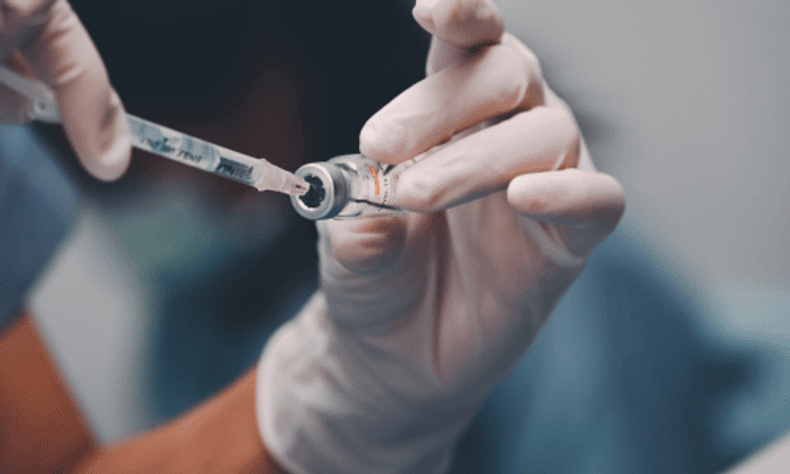
How to Minimize Pain and Discomfort When Using Syringes at Home
Most injection pain at home comes down to a few controllable factors: a tense muscle, cold medication, a dulled or reused needle, a fast plunger push, and wet alcohol on the skin. Fix those and the majority of injections become close to painless.
Self-injection is a routine part of life for millions of people managing diabetes, hormone therapy, autoimmune conditions, fertility treatment, and more. Yet many endure far more discomfort than necessary simply because no one walked them through the small techniques that make a genuine difference.
This guide collects the evidence-based methods for reducing injection pain — before, during, and after the shot — along with the mistakes that quietly make injections hurt more than they should. As always, follow the specific technique your healthcare provider taught you; these tips supplement that instruction rather than replace it.
Key Takeaways
- Relax the muscle. A tense muscle hurts more. Sit or lie down and let the target area go slack.
- Bring refrigerated medication to room temperature for about 20 to 30 minutes before injecting — cold medication stings.
- Use a fresh needle every time. A reused needle is dull and burred, which tears tissue instead of slicing it.
- Let the alcohol dry completely before the needle enters, or it will sting.
- Numb the skin with ice or a cold pack for about 15 minutes beforehand if you are sensitive.
- Insert quickly, then inject slowly. A fast stick and a slow push both reduce pain.
- Rotate injection sites to prevent soreness and scar tissue buildup over time.
Why Injections Hurt (and Why Most of It Is Preventable)
Injection pain comes from three sources: the needle piercing the skin, the medication being deposited in the tissue, and the muscle's reaction to both. Each one can be reduced with the right preparation and technique.
The initial stick is a matter of needle sharpness, diameter, and how the skin is prepared. The sensation during the injection depends on how fast the medication goes in, its temperature, and its volume. And soreness afterward depends heavily on whether the muscle was relaxed, whether the site is overused, and how the medication dispersed.
Understanding these three phases is useful because it tells you where to intervene. The tips below are organized the same way: what to do before, during, and after the injection.
Before the Injection
1. Bring refrigerated medication to room temperature
Injecting cold medication is one of the most common and most avoidable causes of stinging. The Arthritis Foundation recommends allowing refrigerated injectables to reach room temperature, typically about 20 to 30 minutes, before administration to reduce the sting, in its guidance on easing self-injection pain. Never microwave or boil medication to warm it — set it out in advance, or hold the vial in your hand for a few minutes.
2. Numb the skin
Applying an ice pack to the injection site for about 15 minutes beforehand numbs the skin and dulls the initial stick — and doubles as a distraction. A topical numbing cream containing lidocaine, applied roughly 30 minutes before injecting, achieves a similar effect. Ask your provider before using a numbing cream if you inject regularly.
3. Let the alcohol dry completely
After swabbing the site with alcohol, wait until it has fully evaporated before inserting the needle. Injecting through wet alcohol causes a distinct sharp sting that has nothing to do with the needle itself — and it is entirely avoidable by simply waiting a few extra seconds.
4. Relax — mentally and physically
Anxiety tenses your muscles, and tense muscles make injections hurt more. Sitting rather than standing helps the muscles relax, and distraction genuinely works: talking to someone, listening to music, or focusing on something in the room reduces perceived pain. If you inject into a limb, let it hang loose and unsupported.
During the Injection
5. Use a fresh, sharp needle every single time
This is non-negotiable for both comfort and safety. A needle is precision-ground, and even a single previous use dulls the tip and creates microscopic burrs that tear tissue on the way in. Beyond the pain, reusing needles risks transmitting bloodborne infection — the CDC's rule is one needle, one syringe, only one time, per its injection safety guidance.
6. Relax the target muscle
Injecting into a relaxed muscle is significantly less painful than injecting into a tense one. For an arm injection, let the arm hang loose at your side. For a thigh, sit and let the leg go slack. For the hip or gluteal area, lying down or shifting your weight onto the opposite leg helps the muscle release.
7. Insert the needle quickly and decisively
Hesitation prolongs the stick. A quick, confident insertion — like a dart — minimizes the time the needle spends stretching and pushing against skin, which reduces the pain of entry. Slow, tentative insertion is one of the most common self-injection mistakes.
8. Inject the medication slowly
Once the needle is in, push the plunger slowly and steadily. Forcing medication in quickly creates pressure in the tissue that the body registers as pain, and it gives the medication no time to disperse. A slow, even push — especially for larger volumes or thicker medication — makes a real difference. In one survey of injection technique, slow injection speed was the single most-cited method for minimizing pain during intramuscular injection.
9. Try local pressure or tapping
Applying gentle pressure to the site just before injecting, or lightly tapping the surrounding skin, can reduce the pain signal. A systematic review and meta-analysis in PLOS ONE found that manual pressure and rhythmic tapping over the injection site reduced intramuscular injection pain, though the authors noted variability between studies. It is a simple, free technique worth trying.
After the Injection
10. Apply gentle pressure, and massage only if appropriate
After withdrawing the needle, apply gentle pressure with clean gauze to reduce minor bleeding and discomfort. Light massage around the site for at least 10 seconds can help disperse the medication and loosen the muscle — but whether massage is appropriate depends on the specific medication. Some drugs should not be massaged in. Follow your provider's instruction.
11. Use a cold compress for soreness
For lingering soreness, swelling, or redness after the injection, a cold compress or ice pack applied for 10 to 20 minutes can help. Some people prefer heat, which brings blood to the area and relaxes surrounding muscle. Both are reasonable — experiment to find which brings you more relief.
12. Rotate your injection sites
Injecting the same spot repeatedly builds scar tissue and leaves the area sore and irritated, which makes every subsequent injection worse. Systematically rotate between approved sites — and within a site, vary the exact spot. Rotation also keeps absorption consistent, which matters for medications like insulin.
The Role of Needle Choice
The needle itself is one of the biggest levers on comfort. A finer needle, a sharper bevel, and a fresh tip all reduce the force needed to enter the skin — and lower force means less pain.
Where your medication allows it, a finer-gauge needle (a higher gauge number) displaces less tissue and is generally more comfortable. The limit is your medication's thickness: viscous or oil-based medications need a wider needle to flow properly, so there is a balance to strike. Our guide on how bevel angle affects injection comfort explains the science behind why sharper, finer needles hurt less.
Whatever gauge you use, quality and freshness matter. Keeping a reliable supply of sterile single-use syringes and needles on hand ensures you never feel tempted to stretch a needle past its one intended use.
A note on children
Children are more sensitive to injection pain and anxiety. Age-appropriate techniques help: positioning a child comfortably rather than restraining them, letting them watch a video or play a game as distraction, and staying calm yourself, since children read a caregiver's anxiety. For infants, feeding or a sweet solution shortly before an injection can reduce distress.
Does the Type of Injection Change the Pain?
Yes — subcutaneous and intramuscular injections feel different and call for slightly different comfort strategies. Knowing which type you are giving helps you target the right techniques.
Subcutaneous injections
These deposit medication into the fatty layer just beneath the skin, using a short, fine needle. They are generally the more comfortable of the two, and the pain is concentrated at the initial stick rather than deep in the tissue. Warming the medication, letting the alcohol dry, and using a fresh fine needle handle most of the discomfort. The abdomen is often the most comfortable and consistent subcutaneous site.
Intramuscular injections
These deliver medication deeper, into muscle, using a longer needle. Muscle relaxation matters far more here — a tense muscle resists the needle and the medication, and hurts more. Slow injection speed is especially important because muscle tissue needs time to accommodate the volume. Site choice also matters: the ventrogluteal site (on the side of the hip) is widely regarded as comfortable and safe because it has thick muscle and sits away from major nerves and vessels. Evidence suggests injections at the ventrogluteal site are less painful than at the older dorsogluteal site.
Managing needle anxiety
For many people, the anticipation is worse than the injection. Anxiety is not just unpleasant — it tenses muscles and heightens pain perception, creating a genuine feedback loop. Distraction techniques, slow breathing, and a consistent, confident routine all help break it. If needle anxiety is severe or interferes with your treatment, tell your healthcare provider; it is common, and there are strategies and support for it.
Common Mistakes That Make Injections Hurt More
- Injecting cold medication straight from the fridge. Let it warm up first.
- Reusing a needle. Dull, burred, painful, and unsafe.
- Not letting the alcohol dry. Causes a sharp sting unrelated to the needle.
- Tensing the muscle. Injecting into a clenched muscle is noticeably more painful.
- Inserting slowly and hesitantly. Drags out the most painful moment.
- Pushing the plunger too fast. Creates pressure and tissue trauma.
- Always using the same spot. Builds scar tissue that makes future injections worse.
One more note: some soreness is normal, but pain is also information. If an injection site becomes increasingly painful over 24 to 48 hours, or develops redness, heat, swelling, or fever, contact your healthcare provider — those can be signs of infection rather than ordinary post-injection soreness.
Frequently Asked Questions
How can I make injections hurt less at home?
Relax the muscle, bring refrigerated medication to room temperature first, use a fresh sharp needle, let the alcohol dry completely before injecting, insert the needle quickly, and push the plunger slowly. Numbing the skin with ice beforehand and rotating your injection sites also help considerably.
Why do my injections sting so much?
The most common causes of stinging are cold medication straight from the fridge, injecting through wet alcohol before it has dried, a dull or reused needle, and pushing the plunger too fast. Each of these is easily fixed and together they account for most avoidable injection pain.
Does icing the skin before an injection help?
Yes. Applying an ice pack to the injection site for about 15 minutes beforehand numbs the skin and reduces the pain of the initial stick, and it serves as a helpful distraction. A lidocaine numbing cream applied about 30 minutes before is another option — ask your provider first.
Should I inject fast or slow?
Both, at different stages. Insert the needle quickly and decisively to minimize the painful entry, then push the plunger slowly and steadily to avoid the tissue pressure that comes from forcing medication in too fast.
Why does the same injection spot hurt more over time?
Repeatedly injecting the same spot builds scar tissue and leaves the area sore and irritated, which makes each subsequent injection more painful and can affect how the medication absorbs. Rotating systematically between approved sites prevents this.
Is it okay to reuse a needle to save money?
No. A reused needle is dulled and burred from the first use, which makes the next injection significantly more painful, and reusing needles carries a real risk of transmitting bloodborne infections. The CDC's rule is one needle, one syringe, only one time — always use a fresh sterile needle.
Should I massage the injection site afterward?
Sometimes. Gentle massage for at least 10 seconds can help disperse the medication and relax the muscle, but whether it is appropriate depends on the specific medication — some should not be massaged in. Follow the instructions your provider gave you for your particular drug.
The Bottom Line
Injection pain at home is largely optional. Warm the medication, relax the muscle, use a fresh needle, let the alcohol dry, insert quickly, push slowly, and rotate your sites — none of it costs anything, and together these habits turn a dreaded daily task into a minor one. If you inject regularly and it still hurts, work through this list one item at a time; the culprit is almost always in here.
For related reading, see our guides on how bevel angle affects injection comfort and dealing with syringe leaks and clogs. Or browse sterile syringes and needles in bulk to keep fresh, comfortable needles on hand for every injection.
Medical disclaimer: This article is for general educational purposes only and is not a substitute for advice from a licensed healthcare provider or pharmacist. Always follow the instructions supplied with your medication and consult your provider about your specific situation.
Sources
Arthritis Foundation — Take the Sting Out of Self-Injections — https://www.arthritis.org/drug-guide/medication-topics/take-the-sting-out-of-self-injections
Medical News Today — How to Make a Shot Not Hurt: Ways to Reduce Anxiety and Pain — https://www.medicalnewstoday.com/articles/how-to-make-a-shot-not-hurt
Ayinde, Hayward & Ross — The Effect of Intramuscular Injection Technique on Injection-Associated Pain: A Systematic Review and Meta-Analysis, PLOS ONE (2021) — https://journals.plos.org/plosone/article?id=10.1371/journal.pone.0250883
Centers for Disease Control and Prevention — Injection Safety: Safe Injection Practices and Your Health — https://www.cdc.gov/injection-safety/about/index.html