
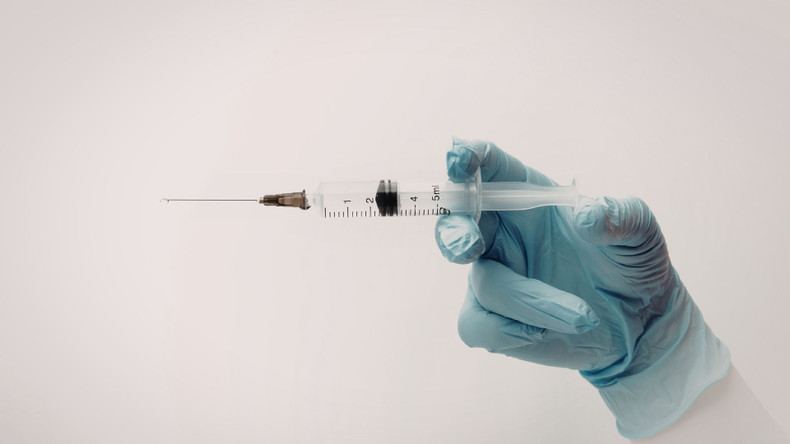
A hypodermic needle is the general-purpose needle used to inject medication into or draw fluid from the body, available across a wide range of gauges and lengths. A diabetic needle is a specialized type of hypodermic needle — fine, short, and paired with an insulin syringe — designed specifically for subcutaneous insulin injections. In other words, every diabetic needle is a hypodermic needle, but it is a narrow, purpose-built subset of the category.
The distinction matters because using the wrong one leads to real problems: too thick or too long a needle makes insulin injections painful and can deposit insulin into muscle instead of fat, while too fine a needle struggles with thick, viscous medications. Choosing correctly starts with understanding what separates the two.
This guide explains what each needle is, how they differ in gauge and length, what each is used for, and how to select the right needle for your injection. It is educational and not a substitute for the guidance of your healthcare provider.
Key Takeaways
- Hypodermic needle is the broad category — any hollow needle used to inject or withdraw fluid, in gauges from thick (18G) to ultra-fine (31G).
- Diabetic (insulin) needle is a specialized hypodermic needle: fine gauge, short length, matched to an insulin syringe with unit markings.
- Gauge runs backwards: a higher number means a thinner needle. Diabetic needles are usually 28-31G; general hypodermic needles span a much wider range.
- Length matters: diabetic needles are short (4-12.7mm) to reach subcutaneous fat; hypodermic needles run longer for intramuscular use.
- Insulin syringes are calibrated in units (U-100), not just milliliters, which general syringes are not.
- Match the needle to the medication and injection depth your provider prescribes — never improvise a size change.
What Is a Hypodermic Needle?
A hypodermic needle is a hollow, stainless-steel needle attached to a syringe, used to inject substances into the body or draw fluid out of it. The word “hypodermic” literally means “under the skin,” which is exactly what these needles are designed to reach — whether that target is the fatty layer just beneath the skin, the muscle below it, or a vein.
Hypodermic needles are the workhorses of medicine. The same basic tool delivers vaccines, draws blood, administers anesthesia, injects hormones and biologics, and supports countless clinical and at-home treatments. What makes one hypodermic needle suitable for a task and another unsuitable comes down to two measurements: gauge (diameter) and length.
Needle geometry is standardized internationally so that a given gauge performs consistently between manufacturers. General gauge guidance places intramuscular injections around 21-23 gauge, subcutaneous injections around 25-27 gauge, and insulin injections at ultra-fine 28-31 gauge, as outlined in our guide to needle gauges and lengths.
What Is a Diabetic (Insulin) Needle?
A diabetic needle is a fine, short hypodermic needle designed specifically for subcutaneous insulin injections and paired with an insulin syringe calibrated in insulin units. It is optimized for one job: delivering insulin comfortably and accurately into the fatty layer just beneath the skin, often several times a day.
Three features set a diabetic needle apart from a general hypodermic needle:
- Fine gauge. Typically 28 to 31 gauge, which minimizes discomfort for people who inject frequently. Comfort is a priority precisely because the injections are so routine.
- Short length. Commonly 4mm to 12.7mm (about 3/16 to 1/2 inch), so the insulin reaches subcutaneous fat without going into muscle, where it would absorb unpredictably.
- Unit-calibrated syringe. Insulin syringes are marked U-100, meaning they measure insulin at 100 units per milliliter. You dose in units, not milliliters, and it is essential to match a U-100 syringe with U-100 insulin.
Because insulin is injected so often, diabetic needles also tend to feature refinements aimed at comfort: electro-polished tips, lubricant coatings, and thin-wall construction that widens the internal channel so insulin flows easily through a fine needle. For a deeper look at one common size, see our guide on 27-gauge needles.
Hypodermic vs. Diabetic Needles: The Key Differences
The core difference is specialization: a hypodermic needle is a general tool spanning every gauge and length, while a diabetic needle is a fine, short, unit-calibrated hypodermic needle built exclusively for insulin. Here is how they compare across the measurements that matter.
Gauge (diameter)
General hypodermic needles range widely, from thick 18-gauge needles used to draw or inject viscous fluids down to fine needles for delicate work. Diabetic needles cluster at the fine end, typically 28 to 31 gauge, because insulin is thin enough to flow through a narrow bore and because comfort matters for daily use.
Length
General hypodermic needles come in longer lengths — often 1 inch or 1.5 inches — to reach muscle for intramuscular injections. Diabetic needles are deliberately short, usually 4mm to 12.7mm, so the insulin lands in subcutaneous fat rather than muscle. Depositing insulin into muscle changes how quickly it absorbs and can cause erratic blood sugar.
Syringe calibration
This is one of the most important and least understood differences. A standard hypodermic syringe is marked in milliliters or cubic centimeters. An insulin syringe is marked in insulin units, calibrated to U-100 insulin. Using a general syringe to measure insulin invites dosing errors, which is why people who take insulin use insulin syringes specifically.
Intended use
General hypodermic needles handle intramuscular, subcutaneous, and intravenous injections across a huge range of medications and procedures. Diabetic needles are for subcutaneous insulin — and, because they share the fine-gauge, short-length profile, they are sometimes appropriate for other small-volume subcutaneous medications when a provider directs it.
How to Choose the Right Needle
The right needle is determined by three things: what you are injecting, how deep it needs to go, and how thick the medication is. Your prescriber makes these calls, and you should confirm any size change with them.
- Start with the injection route. Subcutaneous (into fat) calls for a short, fine needle; intramuscular (into muscle) calls for a longer, sometimes thicker one.
- Match gauge to medication thickness. Thin fluids like insulin flow through fine 28-31G needles; thick, oil-based medications need a wider bore to move without excessive force.
- Match length to body composition and site. Too short misses the target layer; too long overshoots it. This is a clinical judgment for your provider.
- For insulin, use an insulin syringe. The unit calibration is not optional — it is how you dose accurately.
- Confirm before changing sizes. Check with your healthcare provider before altering needle gauge, length, or syringe capacity.
Whatever you choose, both hypodermic and diabetic needles are strictly single-use. A used needle is dulled, burred, and no longer sterile — reusing it hurts more and risks infection. You can find hypodermic needles, insulin syringes, and diabetic needles in bulk sized for every common application.
Safe Use and Disposal
Every needle — hypodermic or diabetic — is used once and then placed in a sharps container. Never reuse, never recap by hand, and never dispose of needles in household trash.
- One needle, one syringe, one time. Reusing needles risks transmitting bloodborne infections including hepatitis B, hepatitis C, and HIV, per CDC injection-safety guidance.
- Inspect before use. Check that packaging is sealed and the barrel is intact. Discard anything damaged.
- Use a hard-sided sharps container for disposal, and take it to a pharmacy, hospital, or hazardous-waste site that accepts sharps.
- Store supplies clean, dry, and shaded, out of the reach of children, in their sealed packaging until use.
Frequently Asked Questions
What is the difference between a hypodermic needle and a diabetic needle?
A hypodermic needle is the general category of hollow needle used to inject or withdraw fluid, available in a wide range of gauges and lengths. A diabetic needle is a specialized hypodermic needle — fine gauge, short length, and paired with a unit-calibrated insulin syringe — designed specifically for subcutaneous insulin injections. Every diabetic needle is a hypodermic needle, but it is a narrow, purpose-built subset.
Can I use a regular hypodermic needle for insulin?
It is not recommended. Insulin needs a fine, short needle to reach subcutaneous fat comfortably, and insulin is dosed in units using a U-100 insulin syringe. A general hypodermic syringe is marked in milliliters, which makes accurate insulin dosing difficult and error-prone. Use an insulin syringe for insulin, and follow your provider's guidance.
What gauge is a diabetic needle?
Diabetic (insulin) needles are typically 28 to 31 gauge — fine needles that minimize discomfort for people who inject frequently. Because insulin is thin, it flows easily through these narrow needles. General hypodermic needles span a much wider gauge range depending on their use.
Why are insulin needles so short?
Insulin needs to be deposited in the fatty layer just beneath the skin, not in muscle. Short needles (typically 4mm to 12.7mm) reach that subcutaneous layer without going too deep. Injecting insulin into muscle changes how fast it absorbs and can cause unpredictable blood sugar levels.
Are hypodermic and diabetic needles interchangeable?
Not really. A diabetic needle is a specific type of hypodermic needle optimized for insulin, so a general hypodermic needle usually cannot substitute for it comfortably or accurately, and a diabetic needle is too fine and short for many intramuscular or high-viscosity injections. Match the needle to the task and confirm with your provider.
Where can I buy hypodermic and diabetic needles?
Both are available from medical suppliers, often without a prescription for personal medical use in most U.S. states, though requirements vary by state. Buying in bulk from a specialized supplier keeps a reliable, cost-effective supply of the sizes you use on hand.
The Bottom Line
Hypodermic and diabetic needles are not competing categories — one contains the other. The hypodermic needle is the versatile, all-purpose tool of medicine, made in every gauge and length. The diabetic needle is its specialized cousin: fine, short, unit-calibrated, and built for the specific demands of daily insulin injection. Choosing between them, or among the many sizes within them, comes down to your injection route, your medication, and your provider's guidance.
For more, read our guides on understanding needle gauges and lengths and insulin syringes for effective diabetes management. Or browse our full range of hypodermic and diabetic needles to find the right size for your needs.
Medical disclaimer: This article is for general educational purposes only and is not a substitute for advice from a licensed healthcare provider or pharmacist. Always follow the instructions supplied with your medication and consult your provider about your specific situation.
Sources
Bulk Syringes — Understanding Needle Gauges and Lengths: A Comprehensive Guide — https://www.bulksyringes.com/blog/understanding-needle-gauges-and-lengths-a-comprehensive-guide/
Centers for Disease Control and Prevention — Injection Safety: Safe Injection Practices and Your Health — https://www.cdc.gov/injection-safety/about/index.html
U.S. Food and Drug Administration — Safely Using Sharps (Needles and Syringes) at Home, at Work and on Travel — https://www.fda.gov/medical-devices/safely-using-sharps-needles-and-syringes-home-work-and-travel/best-way-get-rid-used-needles-and-other-sharps