
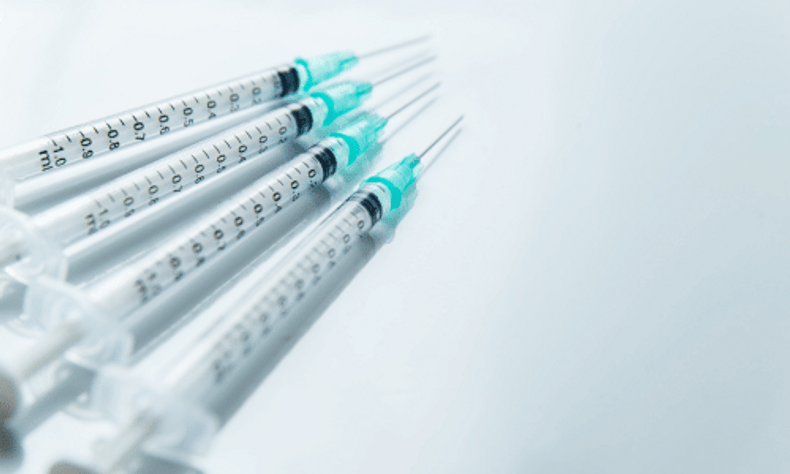
Administering an injection at home can feel intimidating, especially when it comes to injecting into the stomach area. But with the right knowledge and a little practice, you can make the process much smoother and more comfortable. Whether you're self-administering a medication like insulin or following a treatment plan that requires abdominal injections, it’s important to understand the basics of safe injection techniques to minimize discomfort and ensure accurate dosage.
1. Choose the Right Syringe and Needle
The first step in giving an accurate injection is choosing the appropriate syringe and needle size. The size of the needle and syringe will depend on the type of medication you're injecting and the volume of the dose. Here are some general guidelines to consider:
- Needle Length: For stomach injections, a needle length of around 4mm to 8mm is often sufficient. A shorter needle is generally used for subcutaneous (under the skin) injections, which are common for many medications.
- Needle Gauge: The gauge refers to the thickness of the needle. A finer gauge (like 30G or 31G) will feel less painful than a thicker needle, which is a big plus for minimizing discomfort during the injection.
- Syringe Size: Choose a syringe that is appropriate for the dose you need to administer. Typically, syringes range from 0.5 ml to 3 ml, depending on the medication and dosage.
Using the right equipment will help ensure you’re giving the correct dose while keeping the procedure as comfortable as possible.
2. Select the Best Injection Site on the Stomach
The abdominal area is a common and effective place for subcutaneous injections, but it’s important to rotate your injection sites to prevent irritation or damage to the skin and tissue. Here’s how to choose the best injection site:
- Common Sites: The best spots for injections are usually around the belly button and to the left or right of it. You can also inject in the upper thighs or love handles, which is the area just below the ribs on the sides.
- Avoid Areas with Scars or Bruises: Avoid areas where the skin is scarred, bruised, or inflamed. These can make injections more painful or cause irritation.
- Keep It Consistent: Try to rotate between different areas of the stomach to give each site a chance to heal. You should aim to give injections at least an inch away from previous injection sites to avoid irritation.
A good rule of thumb is to inject into the fatty tissue just beneath the skin, not deep into the muscle. You can gently pinch the area of skin between your thumb and forefinger to help you target the right layer.
3. Prepare the Injection Properly
Before you think about injecting, it’s essential to prepare everything properly to avoid mistakes and ensure the injection is as smooth as possible:
- Wash Your Hands: Start with clean hands to avoid infection.
- Check the Medication: Always double-check the medication you're about to inject. Make sure it's the right medication, the right dose, and that the medication hasn’t expired.
- Prep the Syringe: Draw the prescribed amount of medication into the syringe. If you see any air bubbles, gently tap the syringe to move the bubbles to the top and push the plunger to release the air.
- Clean the Site: Use an alcohol swab to clean the area where you'll be injecting. Let the skin dry for a few seconds before proceeding to avoid stinging when you inject.
4. Administer the Injection
When it’s time to actually inject, here’s the step-by-step process to follow:
- Pinch the Skin: Gently pinch the area of skin where you plan to inject. This will help raise the fatty tissue and make the injection easier.
- Insert the Needle: Hold the syringe like a pencil and insert the needle at a 45-degree angle for most subcutaneous injections (some people may prefer a 90-degree angle for larger doses, but 45 degrees is usually sufficient for the stomach). Aim to insert the needle quickly and smoothly.
- Inject the Medication: Once the needle is in, press the plunger slowly and steadily to inject the medication. Don’t rush! If you inject too quickly, it may cause discomfort or bruising.
- Remove the Needle: After injecting, remove the needle swiftly and apply gentle pressure to the site with a clean cotton ball or gauze. You can also massage the area gently if needed to help the medication disperse evenly.
- Dispose of the Needle: Properly dispose of the needle and syringe in a sharps container—never throw them in the trash.
5. Minimize Discomfort and Side Effects
Injecting in the stomach area can cause some discomfort, but there are ways to minimize it:
- Relax: Try to stay relaxed during the injection. Tension in your muscles can make the process more uncomfortable. Take a deep breath and focus on the task at hand.
- Inject Slowly: Injecting the medication too quickly can cause more discomfort. Take your time to push the plunger steadily and at a comfortable pace.
- Apply Pressure: After the injection, applying light pressure to the site with a clean tissue can help prevent swelling or bruising.
6. Watch for Signs of Complications
After administering the injection, it’s important to monitor for any potential issues. Some redness, swelling, or mild discomfort is normal, but if you experience:
- Severe pain
- Prolonged swelling
- Signs of infection (redness, warmth, pus)
- Allergic reactions (hives, difficulty breathing)
Seek medical attention immediately. Your healthcare provider can help assess whether your injection technique needs adjustment or if there's an underlying issue with the medication or equipment.
Your Path to Confident and Safe Injections
Administering injections in the stomach area may seem intimidating at first, but with the right technique and preparation, it becomes a manageable and routine part of your treatment. By choosing the right syringe, selecting the correct injection site, and following these steps, you can ensure that the process is as safe, accurate, and comfortable as possible.
Remember, if you're ever unsure about your technique or have concerns, don't hesitate to reach out to your healthcare provider for advice or further training. They can offer guidance and make sure you feel confident in your ability to care for your health.