
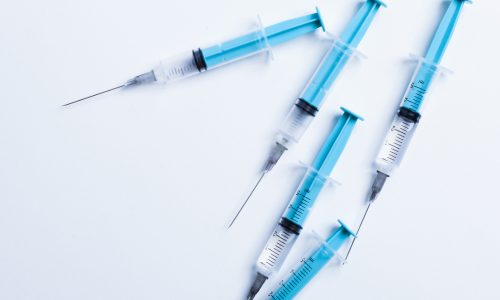
Unused syringes might seem ready for use indefinitely, but they don’t last forever. Even when stored correctly, factors like temperature, humidity, and packaging integrity can affect their safety and performance. Understanding when to replace syringes helps prevent contamination, dosing errors, or other complications.
Check the Expiration Date
Most syringes come with a manufacturer’s expiration date printed on the packaging. Always:
- Inspect the date before use
- Avoid using syringes past their listed expiration
- Keep track of opening dates if packaging was previously broken
Using syringes within the recommended timeframe ensures safety and reliability.
Inspect Packaging and Syringes
Even if a syringe hasn’t been used, packaging damage can compromise sterility. Before each use:
- Look for tears, holes, or moisture in the packaging
- Check the syringe for cracks, bent tips, or loose plungers
- Discard any syringe that appears damaged or compromised
Physical inspection is a simple but essential step for safe injections.
Consider Storage Conditions
Proper storage extends syringe usability:
- Keep syringes in a cool, dry place away from direct sunlight
- Avoid areas with high humidity or temperature fluctuations
- Store syringes in their original packaging until use
Poor storage can reduce sterility or integrity, even if the expiration date hasn’t passed.
When in Doubt, Replace
Because contamination isn’t always visible, it’s best to replace syringes if there’s any uncertainty about their condition. Replacing a questionable syringe is a simple precaution that protects your safety and the effectiveness of your injection routine.
Keeping Your Supplies Safe
Maintaining safe, reliable syringes starts with checking expiration dates, inspecting packaging, and storing them properly. Taking these steps reduces risk and ensures peace of mind. To make it easier, visit BulkSyringes.com to stock up on high-quality, sterile syringes and storage supplies so your at-home injection routine stays safe and consistent.